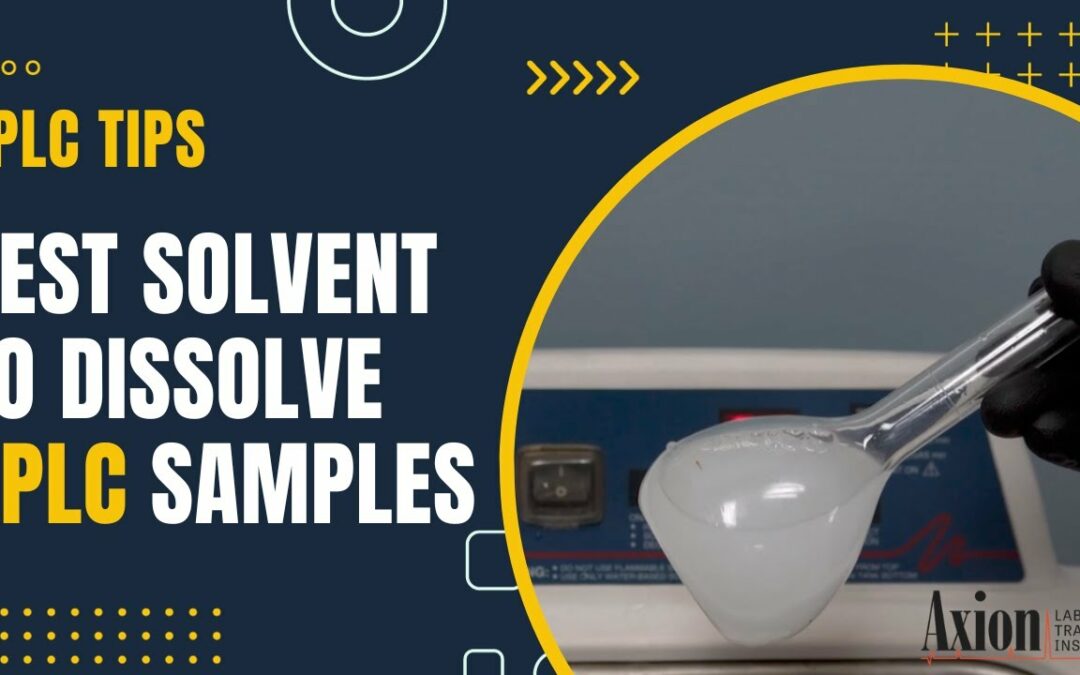
In this article we delve into the critical aspect of selecting the perfect sample solvent for effective chromatography. The choice of solvent for dissolving your HPLC sample is crucial because it directly affects the chromatography process. Impact of Sample Solvent on...
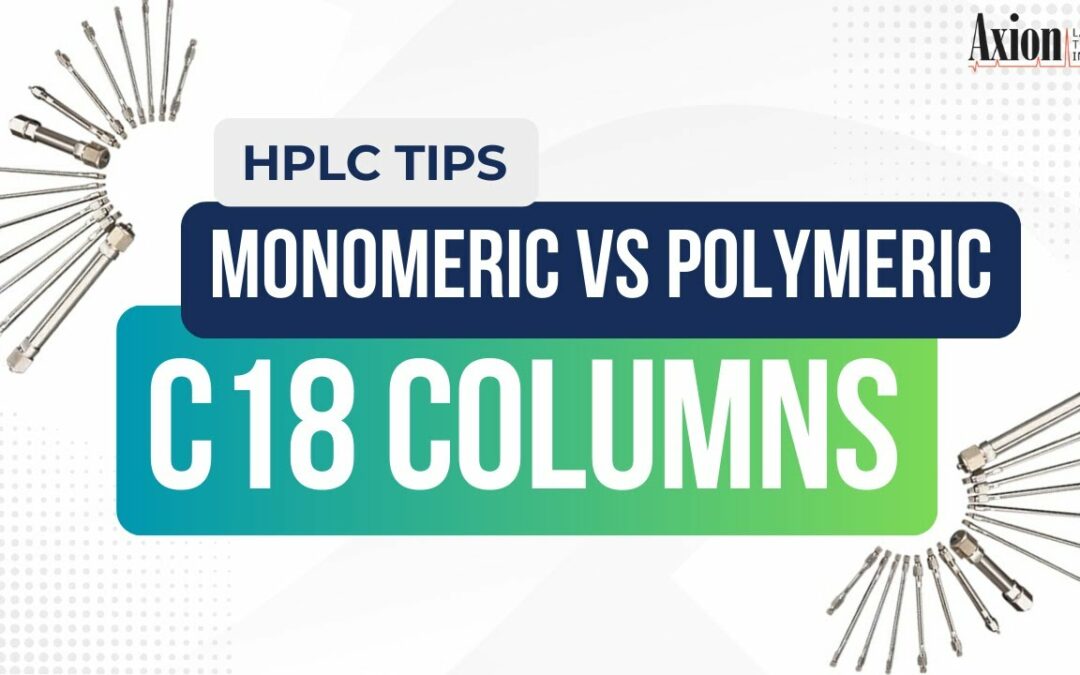
Let’s dive into a slightly more obscure topic today: monomeric versus polymeric C18s. Now, I know it sounds technical, but stick with me. We’re delving into the fine details of columns here. Exploring the Complex World of C18 Columns In the realm of...
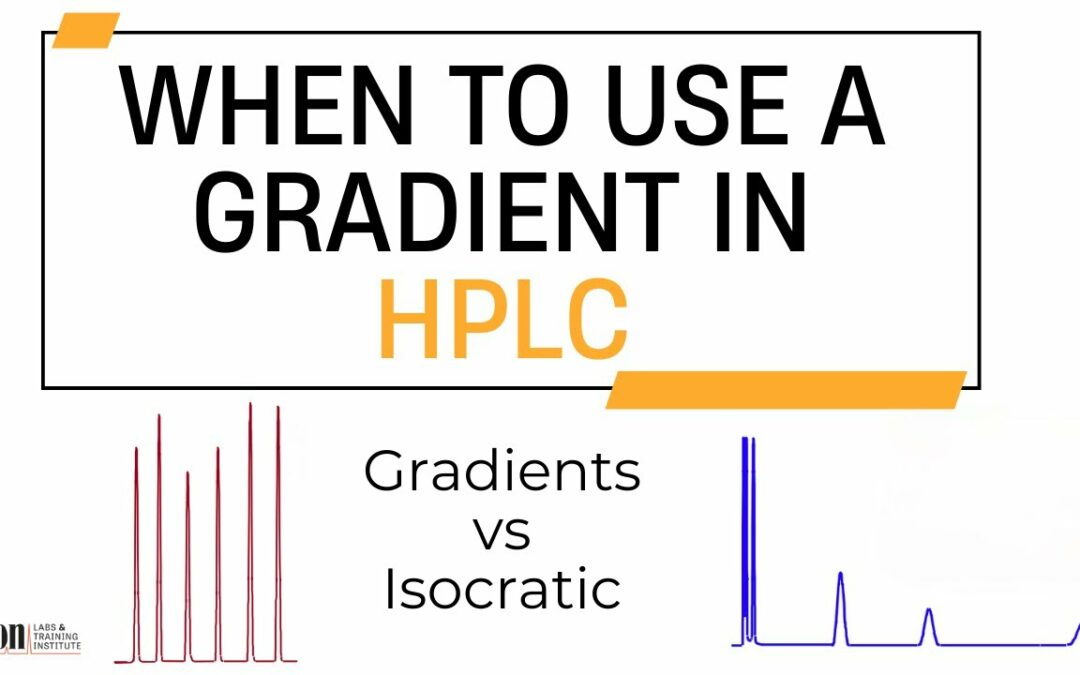
The big question is, how do you know when you should use a gradient elution instead of isocratic elution? To me, the way I always put it is, you’ll know if you’re waiting forever for the last peak to come off, then you probably need an HPLC gradient....
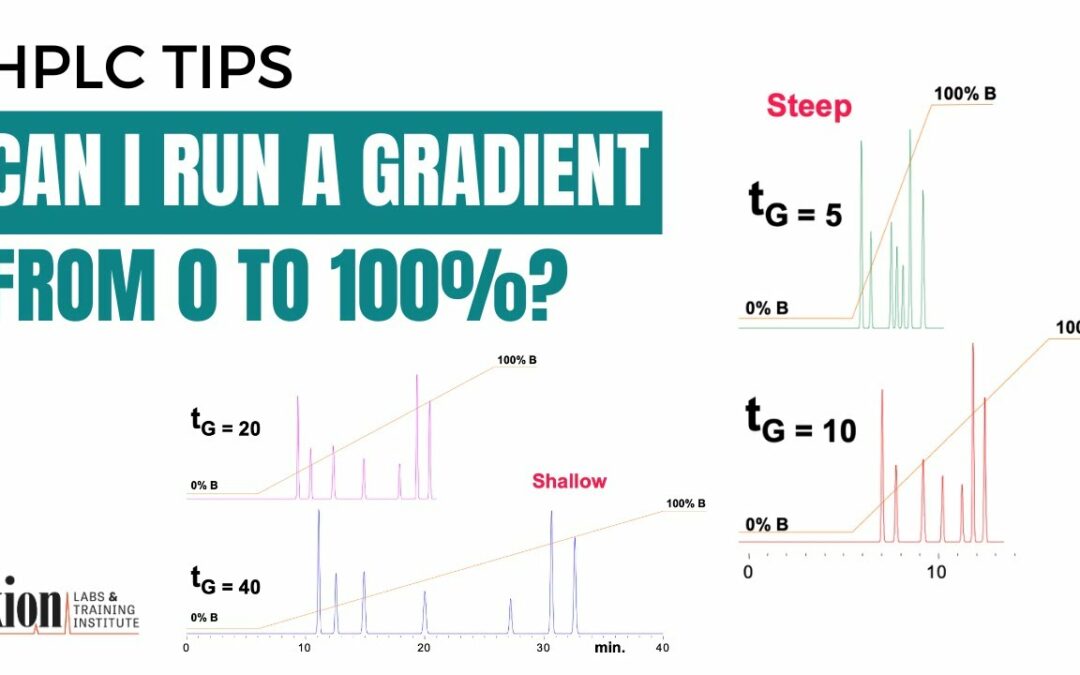
Can I run my instrument from 0 to 100% or do I have to stop at 5 to 95%? So, historically, like when I was a kid, I started doing HPLC in 1980, we were taught to always leave some organic on the column. When you do a gradient, don’t go to 100%; leave a little...
Dwell volume and dead volume can effect your chromatography. What’s the difference between the two? Let me make a couple of clarifications here. Instead of using the term “dead volume,” we prefer the term “extra column volume.” Extra...